
17 Jun How to Choose a Luxury Condo Wisely
A luxury condo can look impressive in a brochure and still disappoint in daily life. The difference usually comes down to what is beneath the surface – not only finishes and amenities, but planning discipline, management quality, privacy, and long-term value. If you are considering how to choose a luxury condo, the right approach is less about chasing labels and more about evaluating the asset as both a residence and an investment.
How to choose a luxury condo beyond the showroom
The first mistake many buyers make is treating luxury as a visual category. Marble lobbies, branded appliances, and a dramatic arrival sequence all contribute to perception, but genuine quality is more comprehensive. A well-selected luxury condo should support the way you live, protect value over time, and reflect a level of design and stewardship that remains relevant years after handover.
That means asking a more disciplined set of questions. Is the location resilient, or merely fashionable for the moment? Does the architecture create privacy, light, and proportion, or does it rely on decorative finishes to signal prestige? Are the amenities likely to remain useful, or are they designed mainly for marketing? The strongest properties answer these questions well before anyone discusses penthouse views or imported stone.
Start with the location, then read the micro-location
In the luxury segment, location still carries the greatest weight, but broad geography is not enough. Two developments in the same district can perform very differently based on traffic patterns, surrounding land use, access points, and future construction nearby.
A strong address should offer more than prestige. It should provide a consistent quality of life – smooth access to business centers, established retail and dining, healthcare, schools if relevant, and a streetscape that feels secure and well maintained. For owner-occupiers, convenience shapes daily satisfaction. For investors, convenience supports occupancy and rental resilience.
The micro-location often tells the more useful story. A condo beside a congested junction, an aging commercial strip, or an undeveloped parcel slated for dense construction may lose some of its appeal once the novelty fades. By contrast, a property in a well-managed enclave with stable surroundings, clear zoning logic, and thoughtful urban planning tends to age better. When assessing how to choose a luxury condo, look beyond the map pin and spend time in the immediate neighborhood at different hours.
Design quality should be visible in the plan, not just the finishes
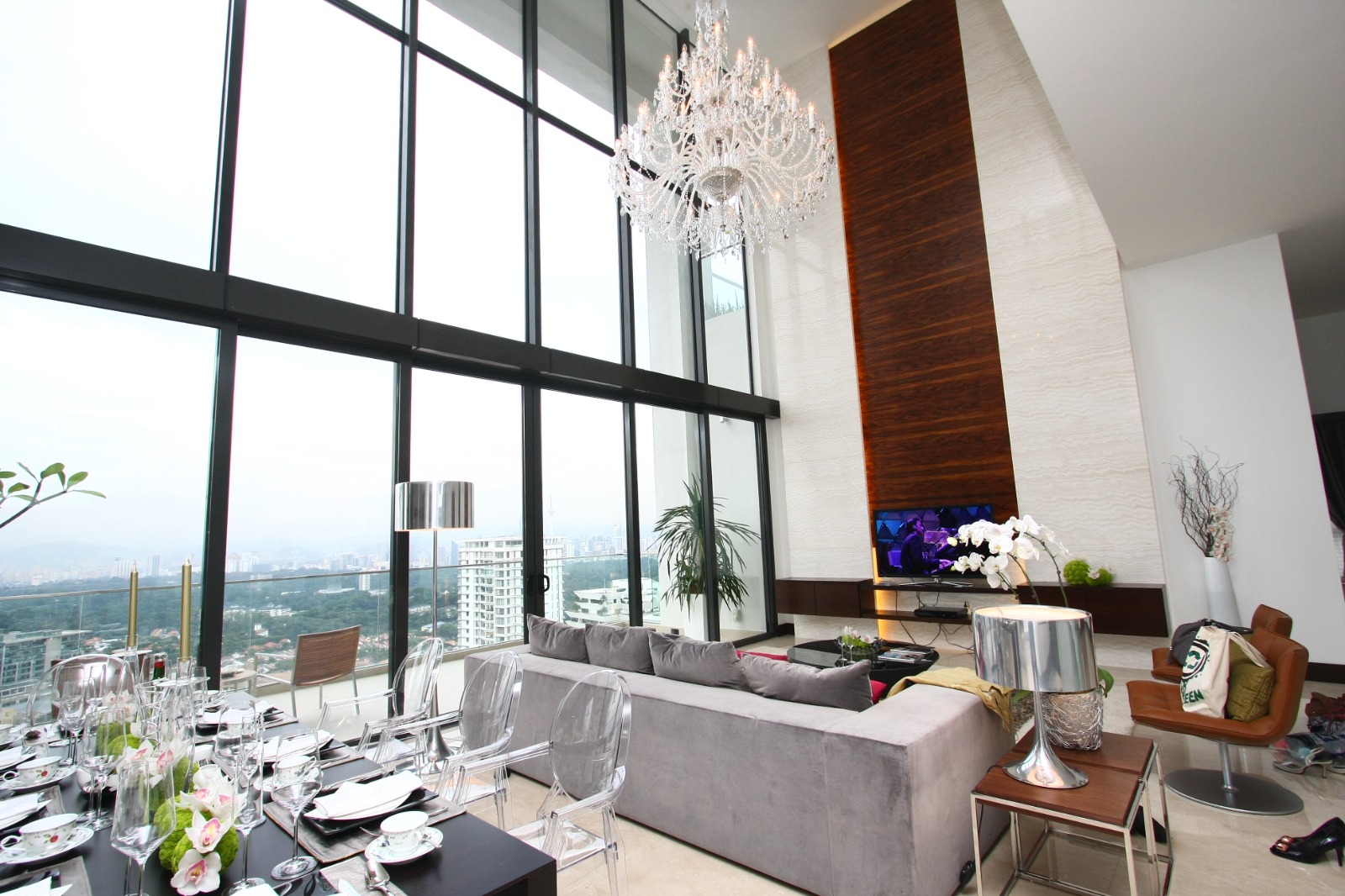
Luxury is easiest to market through surfaces, but the real test is spatial intelligence. Floor plans reveal whether a developer prioritized livability or sales efficiency. Generous ceiling heights, well-placed windows, practical circulation, and a clear separation between public and private zones all matter more than decorative upgrades.
A good layout supports both routine living and occasional entertaining. Bedrooms should feel insulated from noise. Kitchens should be functional, whether enclosed or open-plan. Storage should be integrated rather than improvised. Even the position of columns can affect whether a home feels composed or compromised.
Natural light and ventilation deserve particular attention. In premium residential design, comfort is not an afterthought. Homes that capture daylight well and reduce heat gain through orientation, shading, and material choices tend to perform better over time. Buyers with a long-term view increasingly recognize that sustainability is not only an environmental consideration, but a quality-of-life advantage. Energy-conscious design, durable materials, and green building credentials can support lower operating costs and stronger asset relevance in the years ahead.
Amenities should match the standard of the residence
Luxury amenities can be valuable, but only when they are coherent with the building and used by residents in meaningful ways. An oversized list of facilities is not automatically a sign of quality. In many projects, excessive amenities create higher maintenance costs without improving daily life.
The better question is whether the amenity mix feels curated. A well-designed fitness space, a refined residents’ lounge, private dining areas, landscaped outdoor zones, and wellness facilities can all contribute to a more elevated living experience. Yet scale and execution matter. A small development that promises every possible feature may stretch operational quality thin. A more focused amenity program, maintained to a consistently high standard, is often the stronger proposition.
Privacy is also part of the amenity equation. Consider the number of units per floor, the elevator configuration, security protocols, and whether shared spaces feel exclusive or crowded. In true luxury residences, convenience and discretion tend to carry as much value as spectacle.
The developer and management team matter more than many buyers expect
One of the clearest indicators of future satisfaction is the party responsible for delivering and operating the property. A luxury condo is not a one-time product. It is an asset that depends on ongoing management, maintenance discipline, and capital planning.
Buyers should review the developer’s track record with care. Look at completed projects, not just current marketing materials. Have earlier developments maintained their standards? Do common areas still look considered several years after completion? Is there consistency in design quality, construction detailing, and asset positioning? Established groups with a long-term ownership mindset often bring a more durable perspective to development and operations.
Management quality becomes even more important after move-in. Poor building management can erode the value of even the most attractive property. Service responsiveness, housekeeping standards, preventive maintenance, financial governance, and resident communication all shape the lived experience. A polished lobby at launch means little if the building begins to feel neglected within a short period.
Understand the numbers behind the lifestyle
Prestige should never replace financial clarity. Part of learning how to choose a luxury condo is understanding the full cost of ownership, not just the purchase price. Association fees, sinking funds, parking charges, renovation restrictions, and utility efficiency all affect the economics of the asset.
Higher service charges are not necessarily a problem if they support excellent management and genuinely valuable facilities. The issue is whether the fee structure is rational for the scale and complexity of the building. Buyers should also assess likely future expenses. Buildings with highly specialized features, excessive water elements, or underutilized amenity decks may face steeper maintenance burdens later.
For investors, rental demand in the luxury tier requires a realistic view. Not every premium condo commands strong leasing performance simply because it is expensive. Tenant appeal often depends on location, furnishing flexibility, security, unit efficiency, and the professional quality of property management. Capital appreciation also varies widely. Scarcity, design distinction, and neighborhood maturity tend to support performance more reliably than trend-driven branding.
Look closely at the resident experience
A luxury condo should feel considered from arrival to everyday use. This is where details often reveal whether a project was conceived with depth or assembled for visual impact. Entrance sequencing, drop-off design, lighting, acoustics, materials that age well, and intuitive wayfinding all contribute to the quality of residence.
It is worth visiting more than once if possible. Observe how staff interact with residents. Notice whether common areas feel calm or chaotic. Listen for road noise, mechanical noise, or sound transfer within the building. If the property is still under development, request enough technical and operational information to understand how these issues are being addressed.
The best residences create a sense of ease. They do not force residents to compromise constantly on convenience, privacy, or comfort. This is particularly important for buyers who view their home as part of a broader lifestyle standard rather than simply a real estate purchase.
How to choose a luxury condo for the long term
The final step is to decide whether the condo will still feel credible ten years from now. That may sound obvious, but many premium properties are designed to impress quickly rather than endure gracefully. Long-term value usually comes from fundamentals: enduring architecture, disciplined management, thoughtful sustainability, a respected address, and a development philosophy that prioritizes substance.
For some buyers, that may mean choosing a slightly smaller unit in a stronger building. For others, it may mean favoring a property with fewer headline amenities but better privacy, lower density, and more dependable management. There is no single formula, because priorities differ between end users, part-time residents, and investors. What matters is knowing which qualities are intrinsic and which are merely cosmetic.
Brands that operate with a long-view approach to design, stewardship, and environmental responsibility often stand apart in this respect, because they treat premium real estate as an ecosystem rather than a transaction. That distinction becomes more visible with time.
A well-chosen luxury condo should do more than signal success. It should remain comfortable, well managed, and relevant as your expectations evolve – and that is usually the clearest sign you chose well.
No Comments